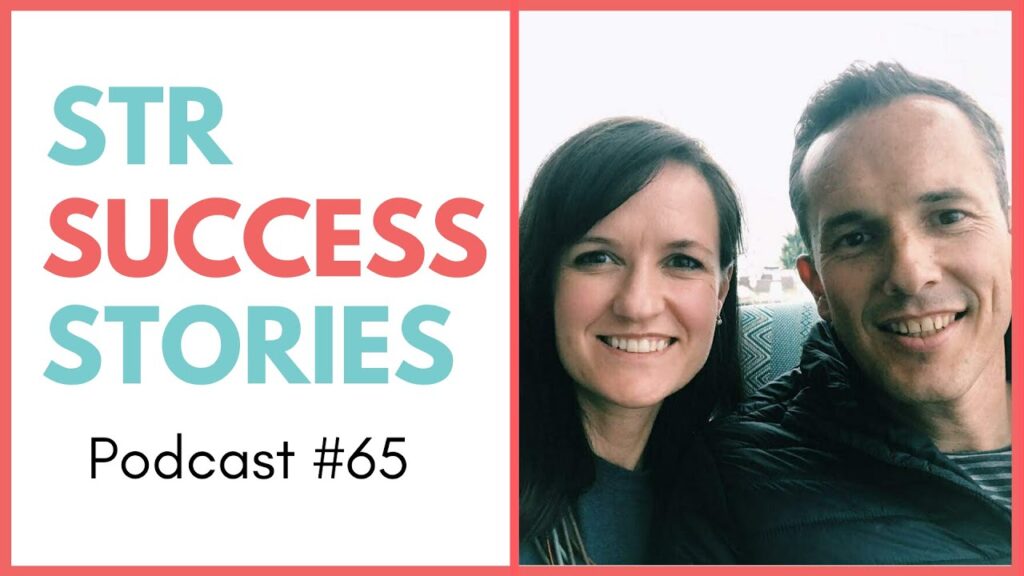
Today I had the pleasure of speaking with Lauren Meeks. Lauren is the founder of Bnb Made Simple, a blog for hosts who are looking to get into the Airbnb space. She is also the author of The World in your Living Room where Lauren talks about her experiences with guests and how it has helped overcome many of her fears and vulnerabilities.
Lauren predominately uses the cohosting model for her STR business so in this episode we go into detail about how she finds cohosting clients, the steps from finding a client to signing a contract, and everything in between, as well as overcoming the fears that come with starting something new.
This is a very refreshing episode that will not only excite you to get into cohosting but make you feel more at ease if you have any fears getting into this business.
If you haven’t already done so, go on over to our Facebook group Short Term Rental Success Secrets to talk with Lauren and other successful hosts.
Video Transcript
00:00:00
Got to do something. One of my, I love this quote. I heard it years ago. It’s, it’s much easier to, to change the direction of a moving ship than it is to, to get one going. You know, all you have to do is turn the rudder to change the direction, but if you’re stagnant, it takes an enormous amount of energy to actually get moving.
00:00:19
This is episode number nine of short term rental success stories. Welcome back to short term rental success stories. I’m your host, Julian Sage. This is show where I talk to hosts about their journeys and starting and growing the short-term rental business. My goal is that you’ll be able to walk away with practical information that will help you become a better host and learn how to scale your business. Since we are new show reviews would greatly help us grow. So please go on over to iTunes, Spotify, Stitcher, Google play YouTube Facebook, or wherever you’re actively listening. And please leave us an OSS review and we’ll give you a review, a rental, a shout out in the next episode today, I had the pleasure of speaking with Lauren Meeks. Lauren is the founder of BNB made simple a blog for hosts who looking to get into the Airbnb space.
00:00:59
She’s also the author of the world in your living room, where Lauren talks about her experiences with guests and how it helped her overcome. Many of her fears and vulnerabilities Lauren predominantly uses the co-hosting model for her short-term rental business. So in this episode, we go into a lot of detail about how she finds her co-host and clients, the steps from finding a client to signing a contract and everything in between as well as overcoming the fears that come with starting something new. This is a very refreshing episode that will not only excite you to get into cohost thing, but make you feel more at ease. If you have any fears about getting into this business, if you haven’t done so already going over to our Facebook group, Short Term, mental success secrets, the doc with Lauren and other successful hosts. If you’d like my show notes for this episode, go to Short Term Sage dot com backslash or if you’d like my show notes sent directly to your inbox every week, then go to Short Term Sage dot com backslash show notes with all that being said onto this week’s conversation. Welcome back host today. I have the special honor of speaking with Lauren Meeks. Lauren, would you please let the audience know a little bit more about who you are and what inspired you to get into short term rentals?
00:02:05
Yeah, sure. Thanks for having me Julian. So as you said, my name’s Lauren, I’ve been, I’ve been hosting short term rentals in my own home for about four or five years now. And then I’ve been actually managing multiple properties for about two now coming on two years. What inspired me, I guess I’ve, I’ve always loved. I love hospitality. That’s a big value of mine and I also really love travel and meeting new people and I travel a lot in college. And then when I came back to the states after college, you know, I kind of settled down, I got a grad graduate degree and got married and I was really missing that aspect of, you know, kind of meeting people who are different for me. And it was just wasn’t as feasible to travel anymore. So I started hosting as a way to kind of bring the world to me. And we have had a lot of really amazing guests that stayed with us. And then, you know, I just realized that I really liked it. And so I started kind of pursuing it full time, but that was a couple of years after I had been hosting already.
00:03:13
Now, you know, I see all the books behind you and I loved the book case when we were speaking before the, the, in the, in the conversation, you said that you actually were a freelance writer and you wrote a book called the world in your living room, kind of talking about your experience of hosting, right?
00:03:33
Yeah. Yeah. So I, when I, when I, when I, as I was hosting, you know, just in my own home, I was also like you said, a full-time writer. And one of the things that I wrote was I wrote a book. It was, I’d always been a dream of mine to write a book. So I, I wrote a book. I self-published it. And it was really just about the stories of people that I had met while having them in my home. Cause when, when I host, especially, you know, in my own home, I’m, I don’t just give them the keys and ignore them. I’m a very engaged host cause I’m doing it cause I want to meet people. So anyway, I wrote a book about it. And after that I got all of these questions, people asking me, I kind of read a reputation as being, you know, the, the Airbnb person or short-term rental.
00:04:18
And I realized after doing that, that I was making a whole lot more money on the one hand doing short term rentals, but I also enjoyed it a lot more. So I was kind of after, after that book, which also eventually ended up leading actually to a TEDx talk, which I was really excited to an honor to be invited to, but it was after kind of those two things that kind of pushed me almost by accident. You know, I didn’t plan on, on being a full time property manager, but I just kind of realized that’s both where the money is and also where my heart is. So that’s where I am now.
00:04:53
Yeah. And I’ll include in the show notes, the book and the Ted talk, the Ted talk, you can find it online, but I’ll include it in the show notes. It’s called the, the freedom of failure where Lauren’s talking about her, her experience of, you know, of trying and starting and, and that, that whole vulnerability of, you know, being a writer and, and getting into different businesses. I personally am a big proponent. And I talk about this on the podcast, LA, I say, Hey, you know, you’re, you, can’t be afraid to start and you can’t be afraid to mess up because, you know, that’s, that’s the biggest thing is you just have to get out there. You have to try, you have to, like you started, you know, you, you started funding your freelance writing career by being able to do it on Airbnb. And maybe it could have failed. Maybe you wouldn’t have made that money, but you tried. And that’s the process. And I think that that’s very inspirational. I think you’re a great advocate on the, the short-term rental vulnerability space.
00:05:50
Yeah. I mean, you know, like you, you’re so true, Julie, and you’ve just got, you’ve got to do something. One of my, I love this quote. I heard it years ago. It’s much easier to, to change the direction of a moving ship than it is to, to get one going, you know, all you have to do is turn the rudder to change the direction. But if you’re stagnant, it takes an enormous amount of energy to actually get moving. So, I mean, you know, I, I started, I was actually pursuing a career in international relations. That’s what my graduate degree is in. And then I, then I started teaching English abroad and then I worked as a business analyst and then I became a writer and now I’m here. So my, my road’s been all over the place, but I was moving the whole time. You know, you just gotta, you gotta start it’s and you’re never going to have all the pieces figured out. And you might find out later that this isn’t for you, but you’ll never know unless you actually start and jump in
00:06:44
Now, you know, what I think is so, so interesting about you, Lauren is like, you’re, you’re, you’re an artist. You’re, you’re very creative. You love writing, and now you’re doing something that is, you know, pretty different. You’re in the hospitality and you’re, you’re dealing with, you know, guests that are very needy sometimes and they, they have all these issues. You have them staining your, your towels and locking themselves out of the, the apartment. How so? How, how did you know, like, you know, taking this artistic passion of writing, how did you know that this was something that, that you wanted to do or that you would be willing to, I don’t know if you’ve given up that, that, that previous passion, but how have you taken this new passion and kind of incorporated it with, with what you were doing previously?
00:07:31
Well, I still do a lot of writing now. It’s just mostly hospitality writing. So I have a blog on my website, BNB made simple, and I, you know, write every week about, you know, people that I’ve interacted with in stories and hospitality tips and things like that. But I’ve also, I like to think that I kind of use my creativity as a way to make the spaces better. So I like to give away, you know, guest freebies and things like that. A lot of hosts do that these days, but I, I think I might be a little different in that. I try to do something that’s unique to the space and often as well to the people that are coming into the space. So, you know, if I have, I have one space, that’s, that’s really more, it’s a smaller space. It’s really more for, for couples, you know, kind of a romantic retreat.
00:08:16
So that space gets a little bottle of wine and wine glasses and things like that. My, the lake house that I manage, they get a little smaller as campfire kits, a little marshmallows and chocolate and Graham crackers, you know, and they can go make a fire and have some wars if they want to. And things like that, that I still feel like it, it gives me an opportunity to inject creativity, even into the spaces that I’m managing and, you know, and, and it’s also, it’s a great learning experience. I love learning. And so, yeah, I’ve had, I’ve had some really crazy guests as you know, but, but honestly, as I’m going, I’m having fewer and fewer crazy guests because I learned from everything that happens. And, you know, the first time the guests locked themselves out of the house, I added a lock box to that, to the house and things like that that have really been engaging for me to kind of make, make me use my brain and think through problems and problem solve and things like that.
00:09:13
But, you know, still, still be able to be a good host and also kind of exercise that creativity, as far as your question as to how I knew that I wanted to pursue this, I can point to like the exact day actually I went to a conference and this was at the time where I had been writing for full-time for about a year. I had ha ha I had had some, some pretty good success with some of my articles, but it was just hard. I was just really kind of slogging through it. And at the same time, I think my book had just come out. And so I was having all these questions about air BNB. So I was kind of really trying to decide, you know, which path I wanted to pursue. So I went to this conference and I did this experiment with myself, you know, conferences, all about networking, introducing yourself, you know, what do you do?
00:09:59
And so I took turns introducing myself to different people as either I’m a writer or I’m a short-term rental host. And when I, the people that I talked with when I said I was a writer, I could not get out of those conversations fast enough. Like I wasn’t passionate about it enough to want to sell myself or to want to like keep talking or tell people what I was writing about, but the conversations that I had about me managing, you know, Airbnb and short-term rental spaces, I mean, I can talk for hours about that. And I already knew like, you know, the ins and outs of the industry and all these different tools because I was researching. And just because I was interested in it and I thought it was, you know, fascinating stuff. So to me that, that made it pretty clear to me when I went to that conference that I was like, okay, I think, you know, this is the right path for me at this point in my life, because I mean, short-term rentals. A lot of people forget that this is hospitality. It is the hospitality industry. And like you said, Julian hospitality is hard and you have some really cranky guests, sometimes really high maintenance guests. And so if you don’t love it, it’s not for you. But, you know, I realized at that conference that I do love it. And so here I am,
01:11:11
I think that’s great that you actually did some, some, a and B testing to see, like, you know, am I, you know, is, is following, you know, this writer path really what I want to do, or do I want to take my passions and my interests and kind of turn it into something else. And now you’ve created this unique experience for your guests also, you’re, you’re, you’re allowing them to create their own stories instead of you just writing the stories, or you’re allowing the guests to have a story by including like the bottles of wine and including this experience that it sets, it sets you apart. And so I think it’s brilliant that you’ve been able to take your experience and been able to convert that into an experience for your guests. What has been the most challenging part of starting your short-term rental business?
01:11:56
The most challenging part I think is probably prioritizing what’s most important and finding new clients that’s challenging too. I’ve had a few clients that were not good clients and didn’t last very long. So I’m pretty selective now in the clients that I work with because, you know, I want it to be a good experience all around, but when you’re juggling so many things and you know, I’m, I’m also take care of all of the stuff around the house and lots of personal things as well. And I’m dealing with cleaners and photographers and refurbing spaces and all of that stuff. It’s, it’s still a lot to manage. So I’ve had to work really hard about, you know, being really like religious about time management. And I’ve got all my checklists and to do’s because if it’s not on my to-do list, it just isn’t going to ever get done. So there’s definitely a lot of self-discipline involved with this.
01:12:57
Now, when, when we spoke, you said you, you have 10 units, you own one, and then you co-host nine. And then you’ve been Airbnb being for about four years, been doing this full-time for about a year and a half. Now, what, what made you want to go the co-hosting route as opposed to purchasing and owning or like rental arbitrage? What, what about the co-hosting model? What made you so interested?
01:13:25
Well, there’s two main things really, for me, the first one honestly, is, is money. I, well, the lack of financial responsibility, I guess, you know, I didn’t want to get saddled with another mortgage and there’s just a lot more pressure of having to, you know, hit a certain occupancy rate or a certain income level when obviously you have a mortgage to pay or you have at least to pay or something like that. So I, I kind of shied away from that. Now I’m at a place now where I’d definitely be open to that, you know, to buying, you know, one or two properties in a good location, but at the beginning, you know, I, I didn’t even know if I wanted, if this was something that would work out for me, I was just kind of trying to find myself, you know, what am I doing?
01:14:10
And so I really liked the, you know, it’s a lot less financial responsibility. I’m not responsible for any mortgage or any, you know, any rent or anything like that. But the other thing for me that really resonates with me and might not with other people, is that I, I, I feel like as part of my business, I’m enabling other families to be hospitable when they wouldn’t be able to otherwise a lot of the families that I work with, especially the ones that live there and they run out, you know, like carriage houses or basements suites or something like that. They have children and they just don’t have time. They wouldn’t have time to manage the space on their own, but they interact with the guests that we have, they have them up for dinner. And for all of my clients, you know, who, who live on the property, it’s been a really rewarding experience for them as well. It’s been an opportunity for them to teach their kids, you know, about hospitality and about how to treat people who are different from you and things like that. And I really liked the idea that I get to kind of help enable that. And, and in spaces that wouldn’t otherwise be, you know, have guests in it.
01:15:18
You said that you’re, you’re, you’re very selective when you’re finding your new clients out. How do you base your selection process? When working with someone
01:15:27
At this point, all of my clients have been referrals. I have a, I have a thousand dollar referral bonus, so that’s a good incentive, you know, for people to send people my way. So all of my clients are referrals. I have done some marketing, but I really don’t push that because I had two clients previously, I don’t anymore, who both found me through marketing. And they were just kind of awful clients. They were really needy and, you know, waking me up in the middle of the night. And let’s just say, I made a lot of changes to my contract because of these clients. So I have found that having a personal referral just, it’s not a guarantee, but it kind of, it makes it more likely that these people will be the types of people that I want to work with because you know, they’re friends with people that I already know and like, and trust, but, but even not like the referrals that I get, I don’t co sign with everyone.
01:16:33
You know, I have to have a face-to-face meeting with them first and see the space. Sometimes the space is not appropriate or not something that I would want to, to manage, but you know, the people, I mean, the thing is, if you’re going to hire, if you’re going to pay me to manage your space, like you have to let me manage it. And so when I have people that kind of, it feels like they’re going to be, you know, kind of suffocating me or asking lots of questions or second guessing everything that I do, that’s just, I’m happy. You know, I have some training if they want to take my training and learn how to do it themselves, that’s fine, but it’s not worth my sanity to try to work with people like that anymore because I have, and it’s, it’s just awful. So, you know, I, I like working with people who are willing to trust me really is what it comes down to, which not everybody is, even if they say they are, so you kind of have to be selected.
01:17:23
Now, you said that you, you like to meet with your clients face to face. Does that mean that cause you’re, you’re, you’re out of the Atlanta, Georgia area, are all your clients in the Atlanta, Georgia area?
01:17:35
No, I do have idea of one in South Carolina. So, you know, I, I guess it doesn’t have to be face-to-face at this point. They, they all have been well, except for one who I’ve actually never met. That’s that’s just an aside. He was referred to me by, you know, another referral of a friend and he lives in Virginia. And so he just, we did everything over email and he signed the contract, you know, online and he’s been a great client to work with, but I’ve actually never met him. So, you know, I I’m willing to, to, I can be flexible. I know that not, not, everyone’s going to be in the area, you know, we can do online or on the phone, but obviously face to face is always preferred. So that’s the, if possible, that’s my preference.
01:18:22
Now, when you’re, when you’re working with people that are maybe out of state, how, you know, because you’re, you’re, you’re from Atlanta, you know, the area, you have people that, you know, cleaners, people that you know, that you’ve built these relationships with. How do you kind of establish that, that same type of system in another state when you don’t know the people or you don’t know the contractors, you don’t, you don’t know like boots on the ground. How do you, how do you go about doing that?
01:18:51
That’s a good question. And that’s, that’s one of the biggest factors into whether I actually choose to sign with someone or not. Like I’ll, I’ll try to do my research before we sign and see if I can find someone that I like. And if I can’t, then, then we don’t sign because I’m not going to be getting on a plane and flying to wherever it is, you know, to fix problems. So you’ve got to have those boots on the ground. That’s critical. I have had good success with, you know, finding Airbnb host groups on Facebook and just reaching out to them. You know, when I joined them like local groups, there’s an Atlanta area. There’s like a Columbia Columbia, South Carolina area, hosts, hosts, host groups, also another really good tool, both properly and turnover, BNB have a cleaner marketplaces. So you can go and, you know, look for a cleaner, upload your job, tell them, you know, kind of how big it is, what you’re expecting, all of that stuff.
01:19:51
And their cleaners have been vetted. You can see previous reviews and things like that. So that’s, that’s a really good way, you know, to, to find cleaners as well, went with, out of town people, really what I, or out of town properties, really, I look for an excellent cleaner and, you know, a reliable, cleaner who I can trust. And then I worked through her for most of the other stuff, you know, she’ll, I pay her to do supply restocking and things like that. If there’s maintenance that needs to happen, I’ll ask her to take pictures of it for me. And, you know, either if she knows someone she can work through them or I can hire someone on like there’s apps, there’s like tackle app TA K L, and the handy app, you know, for small things, but you’ve got to have at least one person, you know, who’s local and who knows the area. So I focus on the cleaner often. I can also ask the host if the host lives there, you know, Hey, I need some help or I need some, some connections, you know, can, can you help me out? But it’s definitely, it’s definitely more challenging out of town for sure.
02:20:59
Okay. Can you, can you kind of walk me through the process because when, when, when you, like, let’s say, I want to work with you. What, what are going to be the steps that you, that you do when I, you know, you’re, you’re, I’m referred to you from a, from a mutual friend, you know, you, you saw pictures of my Spacey that you liked it. Walk me through the process of how you’re going about before we sign any papers and get into a business relationship.
02:21:27
Yeah, sure. I I’m. So if possible, I like to see the space in person that’s not always possible, but definitely if it’s anything local that will be a requirement. I usually ask to, to send potential clients to like, do like a video walkthrough if I can’t be there in person, just so that I can kind of pictures, don’t always tell the whole story, you know? So I want to kind of get the lay of the land, see if there’s any things like, are there safety hazards that I might need to worry about, you know, big yards that need to be taken care of animals next door or anything like that. So, you know, I just kinda, I want to have an idea of what I’m getting into. I also have a client intake form that I send out, and that just asks you lots of questions that are pertinent to short-term rentals.
02:22:13
You know, is this a, a whole unit, or do you live there if you live there, what spaces are available to the guests? Do you have a closet that I can use, you know, for a cleaning closet and put a lock on it? Are you okay with me installing a smart lock? You know, things like that. So it’s, I mean, it’s a, it’s fairly detailed. It doesn’t take that long, but you know, lots of, yes, no questions. How big is it? How many bedrooms so that I know, you know, the estimate I can, I can get to my cleaner, that’s usually based on square footage or bedrooms, that numbers of bedrooms. So I’ll send you that, you know, if you have any questions, I also have a few documents that I send out that just kind of give you a summary of, you know, here’s what I charged for, what I do, and then kind of what to expect after signing.
02:23:00
So I kind of walk, that’s just a document, like I said, I could say, and it walks potential clients through, you know, what they can expect, how I operate, the tools that I use. Cause I, you know, I, I try to be as transparent as possible. So I send all those documents over and then, you know, give clients some time to look over them. If there’s any questions, usually that’s just handled via email. I don’t particularly care for phones. So I afforded if I can, and then, you know, I have a electronic contract that I send out and we both sign it electronically. And then, you know, we’re, we’re off to the races.
02:23:37
Okay. And which part of the process are you like? Do you research like laws and regulations for the area? Like I’m not super familiar with how, you know, cause as a co-host, you’re, you’re probably not as liable responsibly for like, if there’s like a rule that says, Hey, you can only rent for so many days of the year. I, I imagine that that’s up to the, the, the, the, the main host. So what do you do for like regulations or for finding cleaners and, and getting the cleaners ready to start working with them? Because I imagine there’s a lot of things on the backend. Is this before you do the contract or after you do the contract?
02:24:19
Yes. No, this is all before. I, I mean, cause a lot of the stuff that you mentioned are things that like, even if the owner was okay with it, I wouldn’t want to work with that. I mean, if there’s a lot of regulations or, you know, not cleaners in the area or something like that, then that’s going to be a turnoff for me as well. So I didn’t really send, you know, I’ll send me information that I am the intake form to people who are interested, but then while they’re reading that while they’re looking over it, I do, I kind of do my due diligence and kind of, you know, do some market research on the address and regulations, like you said, see if I can find a cleaner, if it’s not in an area that I already service. And then when they get back to me, you know, I will tell them, I mean, I actually just did that with a potential client last week.
02:25:11
It was just, wasn’t a good fit. There weren’t any cleaners in the area that I, you know, that I really liked working with. And so I was like, sorry, you know, this isn’t, this isn’t a good fit. If you, if you want to host it yourself, you know, I can, I can help walk you through that because I also do some consulting as well, but I’m not going to host. So by the time I send a contract out, I’m comfortable with, you know, with moving forward. And usually by then, the clients have already indicated that they want to move forward as well after the client, after the contract is signed, then we go in and you know, if there’s any staging that needs to happen, we do that at and set up the cleaning closet, all of that stuff. I do try to, even if it’s out of town, I try to be there at least once, you know, to set it up because I just, I don’t, I want to make sure it’s done right.
02:26:04
And if I’m never there, that’s hard for me to do so I get it all set up. I’ve got a step-by-step checklist for setting up a property. It goes room by room, everything you need to do. So I just go and check off all the stuff. Also all the tech that I need to set up, the smart lock, the, you know, the cameras and everything else. And so anyways, so, you know, once you get that set up, then you can have a photographer come in. I don’t need to be there for the photographer, just give them a code with the smart locks on the door. And then, you know, they email it to me. So everything else wants the property is set up. Really. I don’t have to be there, but you know, you just kind of, I do like to be there to kind of get things going
02:26:47
Now. I mean, you know that there’s, there’s a lot of work involved in establishing this type of business. Did you have like a, some training or was this all kind of just through trial and error?
02:26:59
This was mostly through trial and error. I did. I bought like a masterclass course on getting started with Airbnb when I was, when I first got started, but, and it was helpful. It, it gave me the confidence to at least start to at least try that one was focused almost entirely on rental arbitrage, the teaching people, how to do that, how to get leases and, you know, approval of the owners and stuff like that. And so, and I decided to go in a different direction. So most of the training from that course has not been useful, but, but it did give me the confidence to kind of start. But after that, the rest of it has been mostly trial and error. I mean, I go to a lot of networking events, a lot of meetups, you know, for learning about kind of what the, the, the latest regulations and tools and everything is on Airbnb. I just finished last week, actually like a 36 hour online mastery summit, you know, listen to all the recordings. So I’m constantly learning and trying to grow and, and do better. But most of it has been, you know, either self-taught or through some of these conferences and things that I’ve found
02:28:14
Now, Lauren you’re at, you’re actually the first guest on the show that is primarily just using the co-hosting model. So I’m, I’m, I’m really curious to know a little bit more about why you did this. So like what, what’s the difference between project management or property management? I’m sorry. And co-hosting
02:28:33
Well, I would say I actually probably, I use them interchangeably technically. I mean, there is a difference property management usually is the traditional definition of property management is longer term rentals. So I know in Georgia, I don’t, you know, it’s different in every state, but in Georgia you actually have to have a property management license and to get a property management license, you have to have a real estate license as well, which I don’t have either of those. I do manage properties, but I manage short-term properties and short-term rentals are, I mean, I’m expecting lots more regulations in the next few years, but because they’re in that weird in between phase right now where the laws and regulations have been caught up to the short-term rental market, because, you know, Airbnb has grown so fast. It’s only 10 years old and it’s only really been the last, maybe five, four or five years, maybe six that it’s really gotten popular.
02:29:31
So, you know, there aren’t there isn’t regulation as far as who can have an Airbnb or any sort of short term rental, you know, who can manage one ha taxes, all of that stuff. That’s all kind of, it’s catching up. It’ll be here soon, but it’s not there right now. So when I say property management, I’m really using that term interchangeably with cohost, but I guess there are multiple different definitions for co-hosts as well. If you think of a cohost, I guess there’s really two ways you can look at it, either someone who’s actually legitimately helping you host, you know, I take care of bookings and they take care of managing the cleaners or, you know, whatever, there’s lots of different arrangements, but it’s two people who are actually working together to manage a single space. But the other model is that I, I say I’m co-hosting, but really I’m doing all the hosting. So I consider it property management. My co-hosts, we are working as a team, but it’s because they’re providing the real estate and I’m providing the management services. So they don’t, they don’t do anything after, you know, we sign on, but there’s still my co-hosts because without them, I wouldn’t have jobs.
03:30:44
I think, I think this, you know, the whole co-hosting model is it’s very interesting. And like, you know, because, you know, I’m, I’m a, I’m a licensed realtor. And, you know, from, from what I know, it’s like property management, you have to have the license, you know, there’s a lot of legal, legal, mumbo jumbo with ghosts. And though it’s kind of like, it’s the wild west right now of real estate, because short-term rentals is kind of like that, that gray area where now you have the same, almost the same type of responsibility as a licensed realtor, but you don’t hold any like legal, there’s no legal punishment. Like if you, you know, when you’re handling money and stuff like that, or handling another person’s property and you’re getting paid for it. So it’s, it’s kind of like the wild west right now. And for people that are interested, you know, it’s, I think now is kind of like a good time to maybe get started, but you know, what, what are you doing? Because something could change, maybe a state start saying, Hey, you have to have a license to, to co-host now, what are you doing anything to be able to prepare yourself for when this type of situation does come up or there’s more strict regulations on co-hosting.
03:31:59
Yeah, absolutely. And I expect that probably not, maybe not in 2019, but by 2020 I expect something like that. So yeah, I’m actually in the process of getting well, getting my real estate license, really, I’m trying to get my property management license, but you have to have a real estate license to do that in Georgia. So, you know, cause I want to be prepared when that happens. And, and this is also is my profession and I, you know, I want to be professional in it, but you know, I, I expect suspect that when these regulations come, I’m actually, I’m actually kind of looking forward to them because right now, I mean, yes, they will make things a little bit harder, but once things are regulated, they’re stable. And right now the real estate market and short-term rentals and everything is like all over the place in Atlanta, we just hosted the super bowl back in February and the market went insane.
03:32:55
We had like thousands of new listings popping up. Most of them are people who didn’t know what they were doing. And those are the type of people that allow parties because they don’t know how to handle it. And they, you know, they allow bad guests to come in and smoke weed and you know, whatever else. And, and that’s what, you know, makes the neighbors mad. And that’s what makes it harder to operate short-term rentals. So I think actually regulation is a good thing because once it’s regulated and taxed, it’s a lot harder to get rid of because the city or the county governments are, they’re getting money from this and they see the value of it. So I think that’s a great idea. You know, I, I know that Airbnb and other spaces or other short term rental channels, you know, they’ve got lots of lobbyists, so they’re working really hard to make sure it doesn’t get outlawed completely, which they have failed in a few areas of the country. But I think short term rentals are here to stay. No question. It just depends on, you know, certain pockets might be better places than others, but definitely there are regulations coming. And so, you know, if you want to do this full time, you need to be aware of that and be willing to take some of the extra steps that they’re going to require so that you can do it.
03:34:10
I think that’s really wise of you. You’re not, you’re not putting, you know, you’re, you’re you realize that, you know, there, this is a kind of a, a very interesting time in the short-term rental space and you’re, you’re taking advantage of the opportunity while the opportunity is still available for you to get your foot in the door. Because getting licensed one, getting licensed is expensive. You know, it’s not cheap to be able to, you have to spend over 60 hours of training. And when I took my training, it was well over a, like I spent 200 hours just preparing for the tests. There’s multiple tests. You have to take, you have to, you know, become a licensed realtor depending on where you are. You have to associate with a brokerage and then there’s all these fees involved. So I mean, the barrier to entry right now to get into the space is just so low. It’s just so crazy. Anybody, you know, anybody in there, their grandmother can just become a co-host and start managing, you know, hundreds of properties, but in the, you know, the real estate world, like that’s, that’s not, that’s not normal. That’s, that’s unique.
03:35:09
Well, and it’s not, it’s not really safe either. I mean, there’s a reason that you had to go through all that training because you were being educated as far as, you know, anti-discrimination laws and, and all sorts of the legalities of treating people with dignity and respect and following the letter of the law when dealing with real estate. So I, I think, you know, I think maybe, maybe another certification we’ll come up with short term rental property management certification that you’re required to have. I don’t know, you know, it might be different than a traditional property management license, but I think it’s totally reasonable to expect people who are managing short-term rentals to have some sort of training, because I mean, they’re dealing with, with Lockwood lot more people than, than the traditional property manager would deal with because they have, you know, a single tenant for a year, a year or years on end. I mean, there’s there safety concerns, there’s there’s discrimination concerns, and those are all valid. And I think it’s important to, to, to be trained in them. If you want to do this,
03:36:12
What has been, what has been the most challenging part of scaling your short-term rental business
03:36:18
Cleaners, finding good cleaners, only one cleaner can only do so much. And, and I mean, I would argue actually that cleaners from even if, even for my business, which is built on the co-host model. And so obviously I have to have owners to, to have a business. I would argue that cleaners are more important than the owners, because I can always find a new person who’s interested in short term rental. Honestly, it’s just, you know, it’s like the fad of the decade right now, but finding a dependable, cleaner that’s gold.
03:36:52
And how, how do you, how do you process your cleaners? Like take me through the process of, of you scouting for a cleaner and then establishing that trust and relationship and actually allowing them to be able to work with you
03:37:06
At this point, it’s, it’s re relatively informal. So I have a, I have a checklist for every property and they’re mostly the same, but you know, there’s a few differences depending on the property. And it goes room by room. This is what I want you to do every time you come. And so when I’m meeting with a new cleaner, I start by, well, we’ll obviously, you know, I have to meet them first and that that’s an no question. I have to meet the cleaner in person or won’t work with them. But so, you know, I’ll give it, I’ll usually give them a trial period, ask for references first, talk to the references, and then I’ll give them a trial cleaning. So I’ll meet them after a guest checks out and say, you know, here’s the cleaning, here’s the space. I want you to clean it, all of this checklist.
03:37:53
And you know, if they, if they do a good job, I’ll give them another, I’ll give them usually three or four, like trial cleanings. And then if they, you know, if they’re working out, if they’re dependable, actually after the first one, what I’ll do is I’ll sync my calendar with them because I want, I want to see if they can, if they can get the cleaning done without me scheduling it. So I say my calendar with them, I tell them, you know, you’ve got the cleanings for the next two weeks or something like that. And then I go, I do, obviously I spot check them after. Cause I can tell on my smart lock if they’ve actually come or not. So after they’ve come, I will go and check up after them and see if they’re doing a good job. And if they are, you know, after two weeks I have a couple of cleaners on the same property.
03:38:38
I use turnover, BNB. And so basically had the way it works is I cleaning is scheduled, but it goes out to kind of, to all of my approved cleaners. And then whoever wants it, whoever gets to it first and you know, says, they’re going to take it, they get it. So they know they’re in competition with other people, which I think kind of also helps them do a better job because they know they’re not indispensable. And it’s also easier for me cause I don’t have to worry about fairly splitting it up or anything. You know, it’s the harder you work, the more work you get,
03:39:11
Let’s let’s, you know, that’s, that’s pretty, pretty unique. The, the mindset that you have that, you know, they’re, they’re, you know, they have to do a good job. Otherwise you’re not going to be working with them. If they, if they’re not as good as the other cleaners, it’s like, oh, I’m sorry. It’s like, you, you know, you, you miss a bunch of things. You’re not following the checklist. You’re showing up late and you’re indispensable. You know, it’s, it’s kinda kinda tough, tough to, you know, have to fire someone. But if they’re not meeting your expectations, because this is what your business is, it’s, it’s all in hospitality, cleanliness. And it’s like, I’m sorry, I’m going to have to let you go
03:39:45
Well. And that’s why I think a checklist is so important because then, I mean, it’s black and white. These are my expectations. Every time I don’t care. If you send someone else, you know, if you hire a subcontractor, that’s fine. It’s your business do your thing. But if, if the people you hire can’t follow this, then, I mean, you’re responsible for the people that you hire as well. So, you know, it’s black and white. These are my expectations, which also makes it easier to address issues. If they come up, you know, if your expectations are vague, then you can’t really in good faith. Tell someone, Hey, you didn’t meet my expectations because they didn’t really know what your expectations were. But if you have, you know, a step-by-step everything you want done in every room, then it makes it a lot easier to have those hard conversations.
04:40:34
What would you do differently if you had to start from scratch?
04:40:39
That’s a good question. I haven’t thought about that. I think I would just start earlier. I don’t think I would do anything different, but it’s been a great ride and I wish I’ve been doing it for, for more, for more time. But you know, even as I’m saying that if I had started earlier, I probably wouldn’t have been a writer, which means I wouldn’t have been written a book or gotten a Ted talk. And those all kind of brought me to where I am today. I had to pick one thing, actually I’d say I’d have a better contract starting off. That’s really important.
04:41:13
How did, how did you, did you have to work with the lawyer to get this contract written?
04:41:17
I had a contract. I mean, I’ve, I’ve had a contract signed with all of my clients and, and with all of them, I had a contract lawyer review it beforehand. So like legally I was covered. I wasn’t worried about that. But contract lawyers don’t know the ins and outs of short-term rental business and management, especially. So there’s just things that they didn’t think about, which I, you know, it’s no fault of their own. Like, this is a very unusual contract that they probably don’t work with very often, but things like, you know, charging extra for after hours service. Like if the, if your owner does something that requires you to do to work when you wouldn’t have otherwise, I charge for that now, but I didn’t when I first started, but I had a really bad client who was always calling me in the middle of the night.
04:42:06
So that’s something that I added. What else? Like insurance, who, who, who buys insurance, what insurance needs to be bought, things like that, termination fees or things like that. You know, what happens if I ask all my clients to commit to at least three months, because I think you have, like, you need at least three months just to get a space up and running and they’re not going to have a, a fair idea of what it’s like until three months that, you know, what happens if they try to leave early or something like that. Those, those, all of those issues were not actually addressed in my contract initially. So I would love to have had the contract I have now when I started. But the one that I have now is from trial and error. So I guess that’s, that’s kind of a pipe dream that
04:42:52
When you wrote your first contract, did you go off like a template or did you just create everything that you thought you needed?
04:42:58
I would have a template. I mean, I, I heavily edited it, you know, to suit my needs because I was creating this contract after years of hosting in my own space. So I had an idea of what was going to happen, but, you know, I had never worked with homeowners. And so I definitely didn’t cover all of, all of the issues that came up. So I had my first contract, I wrote my first contract, you know, from a template and then added things. And then I had a contract lawyer look at it. And then about a year, well really after every client, after issues came up, you know, I would modify my, my, my contract. And so now I’m, I haven’t modified it in about six months now. So it was about a year of editing based on needs that came up and issues that I hadn’t thought of. But then I sent it back to the contract lawyer. Got it. Re re reviewed. So now I’m pretty, I’m pretty confident in, in what I have now, but it’s definitely been a trial and error process to get there.
04:43:54
Awesome. Are there any tools that you use to manage your properties?
04:43:58
I love your Porter, unlike such a you’re a Porter fan girl. Oh my goodness. You’re a Porter is a, a messaging tool basically, but it does a lot of other things as well. So if you’ve heard of Smartbnb or Guesty, it’s kind of along the same lines as those, but it does so does automated messages, which is huge for me. It also does automate automatic reviews, auto inquiry, inquiry responses. It also has income reports, which for me is huge. It’s the only tool I’ve been able to find actually that will do that. And when I have, you know, since I’m working with clients, I have to have that. So at the end of every month, I can pull up an income report and have it split out, you know, the commission based on what we’ve agreed on. And I just send that to them, with their commission check.
04:44:48
And it just makes the whole process really easy and upfront and transparent. And then they also actually just rolled out a few months ago. They have a direct booking site as well, that you can set up through your Porter. So after guests checkout, you know, I’ll send that link and I’ve gotten a few bookings as well outside of any, you know, Airbnb or booking or anything like that. So, you know, trying to build up your, my client base as well, so that they don’t have to use the standard channels. It also integrates directly right now with Airbnb and booking.com. And I think they’re working on HomeAway. They should have that over the summer. So it’s a great tool. And it’s one of the cheapest out there it’s like between five to $7 per listing per month, which is much, much cheaper than, than most of the tools that do similar things. So that’s definitely my favorite tool.
04:45:44
Great. Yeah, you did an awesome job at explaining what it is and, and highlighting the benefits. I’m definitely going to have to check out your Porter sounds very useful. Are there any products that you couldn’t live without in your rentals that have helped save you time and money? Something like, like a particular type of squeegee or cleaning product or anything like that?
04:46:04
I mean, I would say probably my most indispensable product that I use as my smart locks, which is a lot more expensive maybe than you were going for, but I, I have a smart lock on every property I use August locks and they, I can set it up. I can create a unique code for every guest. So I guess never get keys, which for my homeowners, you know, that increases their peace of mind a lot. And then the, the code expires when the guest checks out. So, you know, it’s, it’s a, it’s a really safe way to give them access. And then I can see everything from my phone. I can auto unlock it from my phone if I need to, if they’re having trouble. So August locks have created, have, have saved me so much time and headaches from people getting locked out or they can’t figure out how to open the door or whatever. Definitely recommend them.
04:46:56
August locks. Isn’t that the one where you have to download an app.
04:47:00
So yes and no, actually you do, they do have an app, which if you only use the lock, you do have to download an app, but I didn’t ever want to mess with that. So I also have, I have the August lock and they have a smart keypad. So if you have both, it’s a little bit more, but the keypads only like 40 or 50 bucks, I think. So that for me, that’s like, well worth the investment. So I never have them download the app. I just tell them my standard message that that automatically sends. I don’t have to change it for every guests because their code is the last four digits of their phone number. So I just tell them that. And then, you know, in the app I can set that code for them. And then on the keypad, they just put in that code and they never have to download the app.
04:47:46
I th that’s that’s awesome. Yeah. I was under the impression that it was only the app, which kind of deterred me away from the August. Yeah.
04:47:52
If it was just the app, I would not be raving about it for sure. I mean, the app works great. I use it, you know, cause I’m an owner, you have to use it if you’re an owner, but some people don’t have smartphones. You have international travelers who might not have data plan or something. You know, some people don’t even check check-in instructions until they’re right there. And then that’s frustrating. So I didn’t want to deal with the app at all. So yeah. I just give people a code on the, on the keypad and it works really well. Is
04:48:19
There anything that has helped your guests leave positive reviews?
04:48:23
Yes, actually, which kind of surprised me. So, you know, we’ve all seen those guests that they give you like five stars on all of the sub categories. And then the main rating, the only one that counts, they give you like a four stars or even a three stars, which I find so frustrating. I’m like, you didn’t give me anything to improve on, but you’re not giving me five stars. And so what I, I, I started an experiment about six months ago. I wanted the automated messages that I have set up through, through your reporter. The, I think the day that they check out, I just say, you know, Hey, thanks for coming. And we hope you had a great time. And I don’t ask, I don’t ask for a five star review. I think that’s tacky. But what I say is many guests don’t know this, but anything less than a five star review, even four stars will reflect negatively on us as a, as a host in our, in our overall rankings.
04:49:19
So if there’s anything that’s happened, you know, that that would keep you from giving me a five star rating. You know, please let me know, give me a chance to, to, to deal with it before you leave me a review. And I’ve actually had, I mean, that’s not the only touch point. You know, I check in on them the first morning after they check in and things like that. So they’ve, they’ve, they felt taken care of throughout their stay. It’s not like I’m just springing this on them at the end of this day, but I’ve actually had guests who have said to me, oh, thanks for telling me that. I didn’t realize that a four-star would reflect badly on you. I’ll give you a five star. So that’s been actually like a really simple thing, just letting them know, like, you are free to leave whatever rating you want, but it’s important to me that you have a good stay.
05:50:04
And so I have done everything I can to give you a good stay. You know, if you had a good stay, just leave five stars and I’ve actually not gotten well, I got one, I think a three-star rating with a terrible guests. I’m not surprised about that. But other than that in six months, I haven’t gotten anything other than a five-star rating. So that was a really simple way to just, you know, and it’s, I don’t think it’s tacky. I hate I’ve gotten some, some requests from guests or sorry from hosts. So when I travel and they’re like, Hey, leave me five stars and I’ll give you a $10 credit back or something like that, which a violates air B music stores and policy. So don’t do that and be, that’s just tacky. Like that’s just, I don’t think that’s very professional at all, but just informing them of what, you know, here’s the reality. Cause it’s true. If you get, you know, you have to keep a 4.8 average to maintain Superhost status. So if you get all fours that does negatively affect you, you just let them know and they can make their own decision.
05:51:07
Is it okay if I start using that one, Lauren,
05:51:09
That’s fine. Go for it.
05:51:10
Awesome. Is there one house rule that has saved her, but before
05:51:15
Smoking, I have like a couple of houses that I don’t know why they just attract smokers and I didn’t, well, I had a house rule of no smoking, but then they violated it and I didn’t have any fine imposed or anything. So there was really nothing that I could do. And so I changed my house rule to say no smoking of any kind. That’s the other thing, if you say no smoking, a lot of people will think vaping is okay, or, you know, maybe smoking weed or something. So you have to be very, very specific, no smoking of any kind. This includes cigarette, vaping, weed, anything. And I also include a fine if they don’t, which technically comes out of the security deposit, which they have to approve guests have to approve. So that’s, doesn’t usually happen. But if you have it in your, in your house rules that you require and that there’s a fee for smoking, and then you can prove that they did smoke often, Airbnb will actually pay you out of their host app guarantee, host insurance policy.
05:52:18
So I charge a fee because it, it costs me extra to have the house fumigated basically. And so I have the receipt from my, from my cleaners, from the smoke remediation people I send in the pictures of the Ash and the smoke remediation and Airbnb has always reimbursed me. So that’s been really helpful. I mean, yes, I’d love to keep people from smoking, but sometimes they’re going to, so you have to, if you, if you want anything, any amount of money or penalties or anything from a guest, you have to specify it in your house rules. That’s what I would recommend. Okay,
05:52:55
Great, great, great advice. If you could give one piece of advice to someone who’s trying to start their short-term rental business, what would that be?
05:53:08
What version of short term rental are we talking rental arbitrage co-hosting or are managing their own space? Let’s do
05:53:13
Cohosting
05:53:14
Co-hosting all right. I would say have a good contract. I think that’s the most important thing. Be really clear about, you know, what the expectations are and protect yourself because you’re going to have, you’re going to have clients that ask too much of you and you need to have a way to kind of push back, or you’re gonna not enjoy this in a hurry.
05:53:43
I
05:53:43
Would also say, you know, talk to people who have done this, like reach out. I mean, you know, they’re welcome to reach out to me. If they have questions, you know, a lot of it, you don’t know what, you don’t know what you don’t know, but there are other people who have been doing this longer, who can help you not make the same mistakes. They did.
05:54:01
Great. Yeah. I’ll, I’ll include your contact information in the, in the show notes and all the ways that people can reach you as well. And where, where do you see short-term rentals in the future?
05:54:12
Oh, I think they’re here to stay for sure. They, you know, they’ve captured a, a niche of the market that hotels simply can’t, they can’t compete with. I mean, it’s a, it’s a whole subgroup of people who like traveling, staying in houses and they like traveling, having access to kitchens and backyards and things like that. So they’re, they’re definitely here to stay overall, you know, again, like there’s, there’s going to be different areas of the country or of the world that have tighter or looser regulations on short-term rentals. But I see over the next few years, like we talked about earlier, you know, more and more regulation happening, which will kind of even out the growth, there’s going to be a lot more, I see short term rentals becoming professionalized, which we already see that. I mean, that’s why I’m here, right? That’s what I’m doing.
05:55:01
So a lot more companies managing short-term rentals to kind of give you the same standard hotel experience that you expect. You know, when you go to hotel, you expect towels every time and soap and all of this stuff. So that, that uniformity of service, but with the uniqueness of houses or, you know, condos or whatever it is that the short-term rental place is, I see a lot as, as regulation ramps up, there will be a lot fewer just mom and pop people jumping into it, but hopefully they’ll still be, at least be allowed to do it in their own homes. I think that’s cause that’s kind of, that’s what Airbnb started. That’s how they started was, you know, the founders were trying to make money from a conference that was happening in their, in their city. And I think, you know, in my own personal experience, I think that’s one of still the more valuable things about Airbnb is just your exposure to people that are different from you. So I definitely see on the whole kind of more professionalization, but I really, really hope that we’re not regulated out of, of having it in our own space. Cause I think that’s really valuable.
05:56:10
And is there any way that people can reach you Lauren?
05:56:13
Yeah. The best way to reach me is through my website, BNB made symbol.com. I’m also on Facebook and Instagram being, being made simple. So just search for that and I’ve got contact pages on there, you know, and they can, they can find me through that.
05:56:31
Of course. Great. And I’ll include again, everything in the show notes, Lauren, it’s been such a fun conversation with you. I loved learning about this whole co-hosting model and you sharing your, your wealth of, of, of knowledge and experience. You’re, you’re an expert in the field of, of short-term rentals. I haven’t having the Ted talk and the book and, and having the blog and being a writer. I think you’re killing it. I, I continue to wish you success and I’m looking forward to seeing where your business goes to next. Thank you,
05:57:02
Julian. I appreciate that. Yeah, I’m excited
05:57:04
About it too. All right, everybody we’ll keep on hosting. And until next time, talk to you later. Hope your host benefit from the show. If you found value, please go on over to iTunes or Stitcher, leave a review and let us know what you enjoy about the show. If you’d like to talk to the hosts that have been featured in these episodes, as well as the host nation, then going over to our Facebook group, short-term mental success secrets, talk to your hosts and the next step sewed keep on.